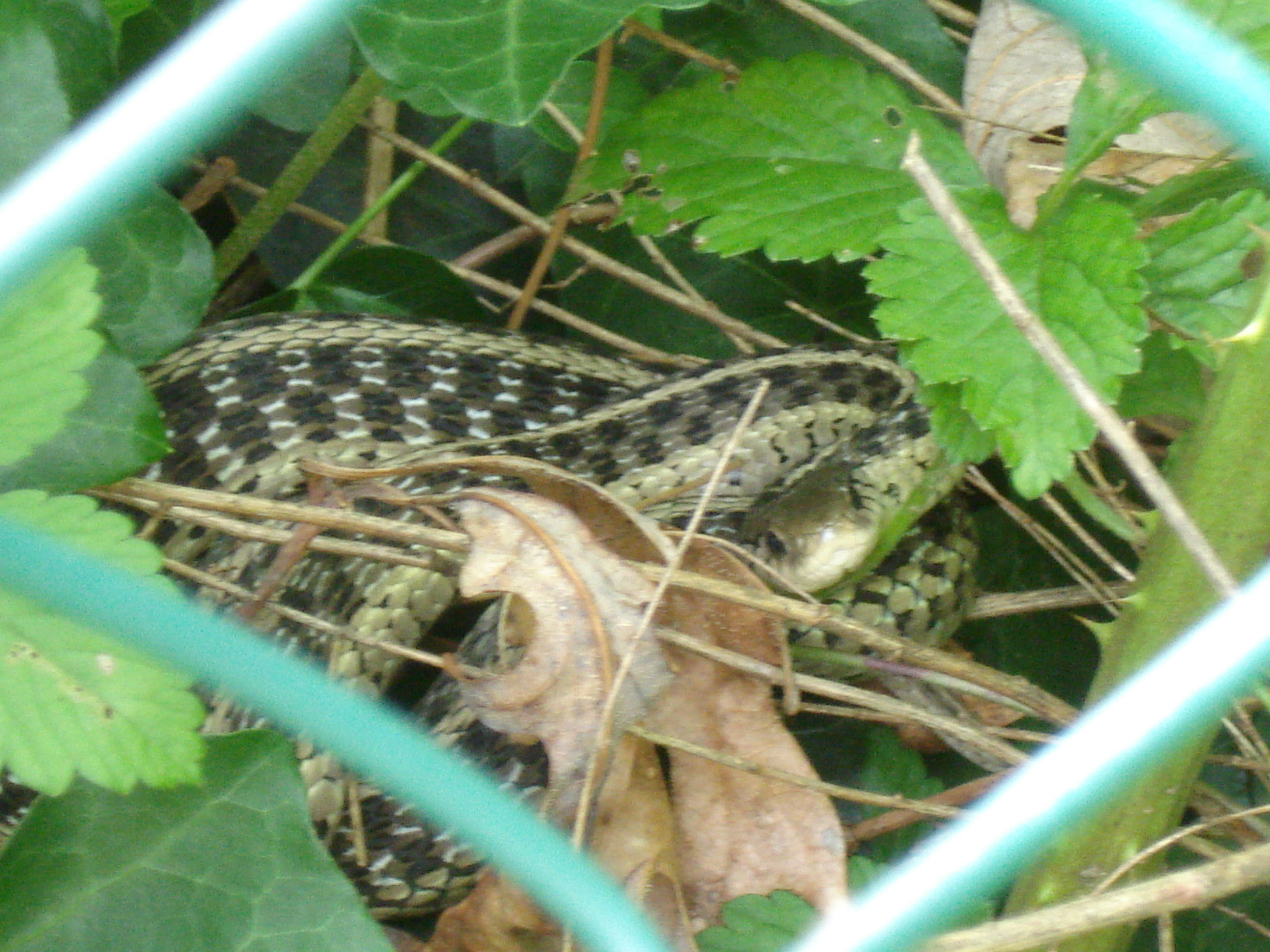
I believe it is a small Eastern Garter snake – my yard 2019
5 Likes
Which species of “white cockatoo”? Most of the ones here in WA are “little corellas” I believe - but WA also has long billed corellas - which look nearly identical, but for a longer top part of their bill…
It’s kinda bizarre to mention - but - rainbow lorikeets are “feral” in South West, West Australia - we have feral populations of them - escape cage birds probably - but - they’re an actual pest here - they outcompete native lorikeets, and are aggressive to all other species of tree hollow nesters…
And don’t get me started on “kookaburras” - also an East Coast species introduced to West Australia - heaven knows why - I suspect some misguided belief they controlled snakes - WA never really had a problem of “too many snakes” anyway… Trouble with kookaburras (note : a kookaburra is a terrestrial and very large species of kingfisher) in WA - is they have no known predators - on the East Coast - lace monitors rob their nests… The largest monitor lizards inWA are Gould’s goanna (also called sand monitor, sand goanna, racehorse goanna, or “bungarra” in Nyoongar). And - kookaburras themselves are nest robbers - they’ll happily eat the eggs and nestlings of other birds, why go after snakes? Lot easier to eat other birds…
Bunch of low quality photos from late last year and early this year - taken from my Galaxy S23 Ultra :
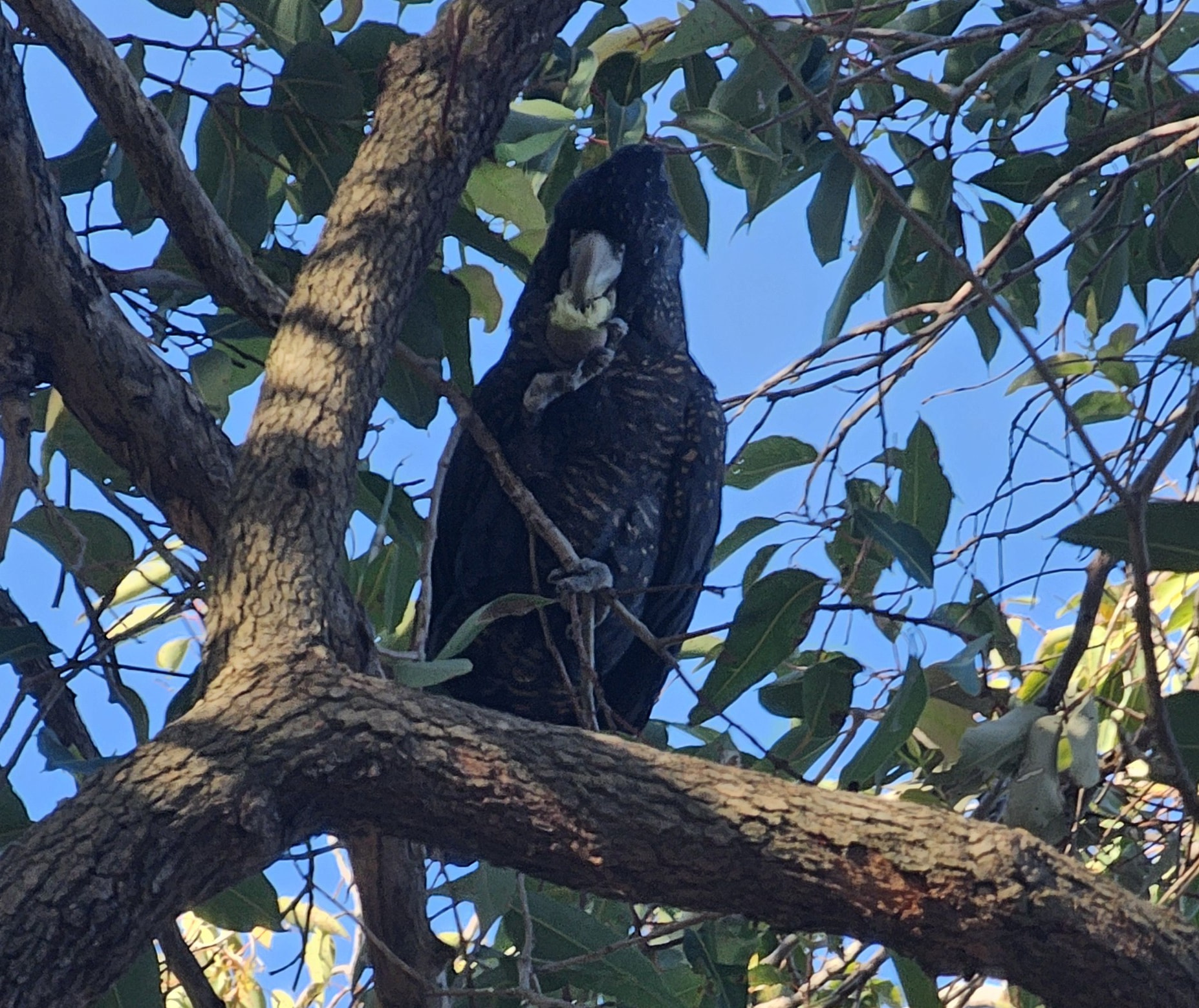
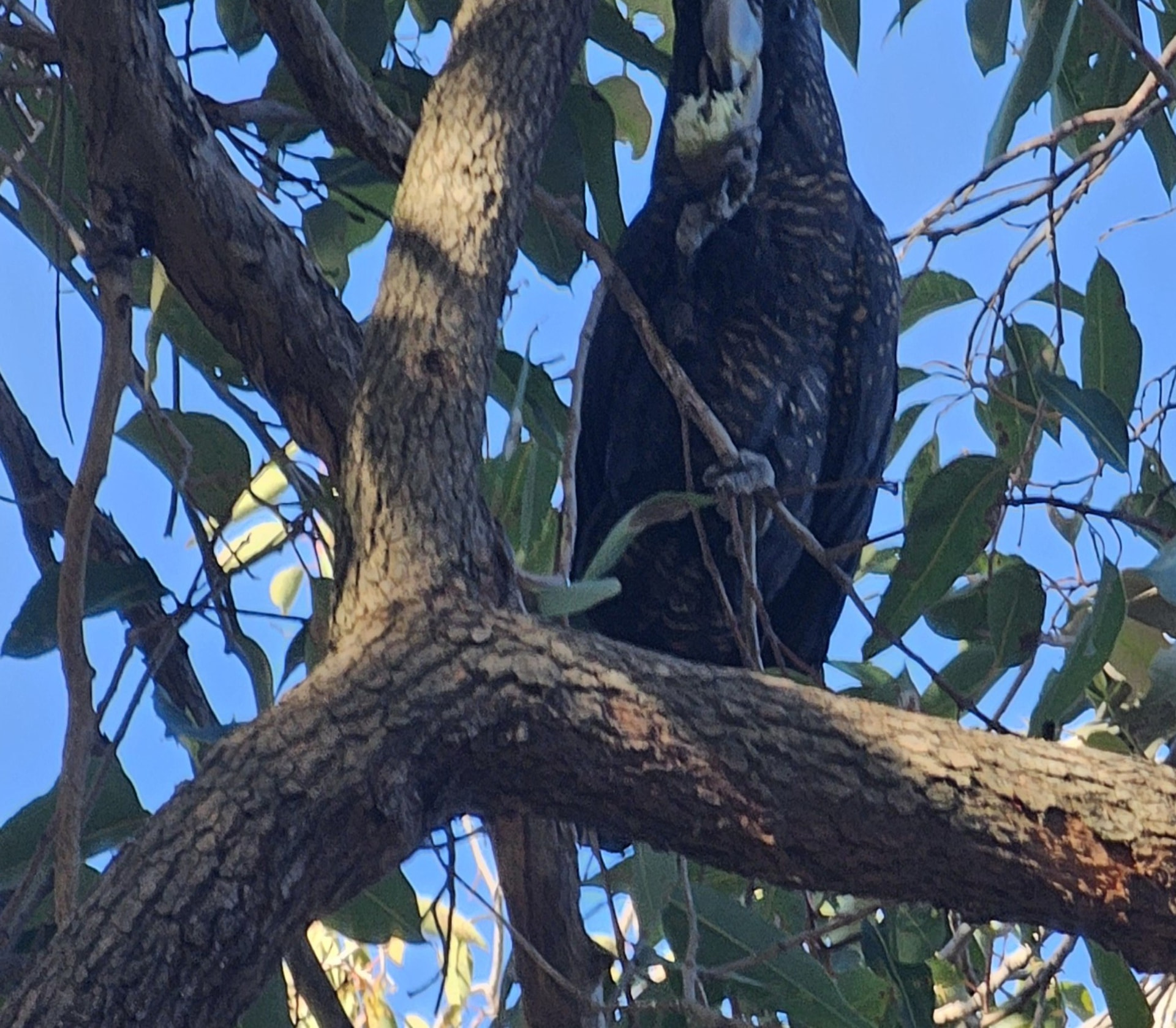
Red tailed black cockatoo (female) eating a marri gumnut (called a “honky nut” here - the marri was called a eucalypt until recently but now it’s “corymbia calophylla” - but still a “gum tree” with pungent leaves) - they’re about the size and hardness of a walnut (but less of a reward inside) :
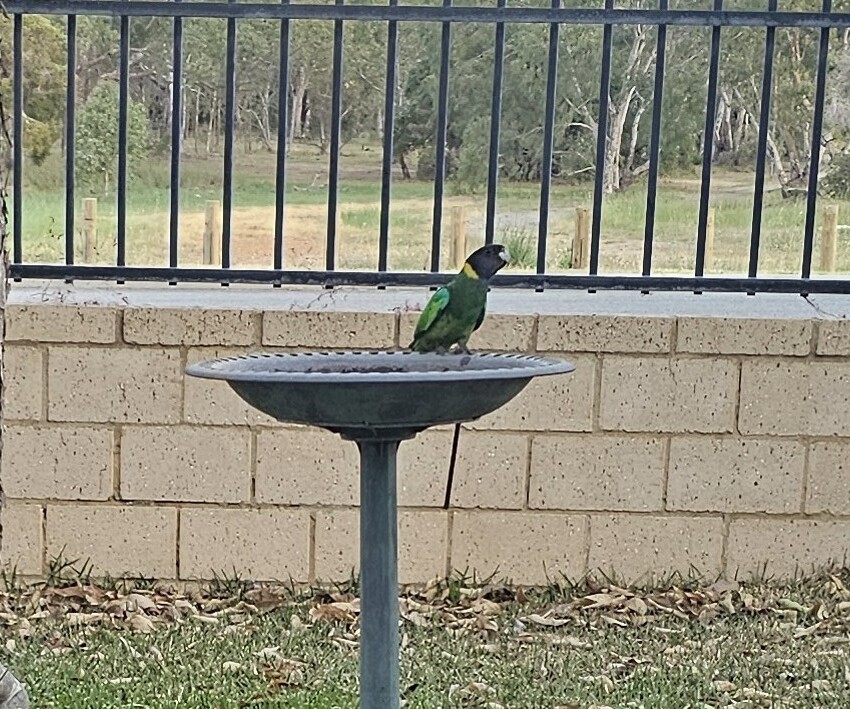
“twenty-eight” parrot - “Australian Ringneck” western subspecies - called “twenty-eight” for it’s distinctive call when in flight :
- they’re very nervous this close (about 10 feet away).
Australian magpie - no relation whatsoever of the Eurasian magpie :
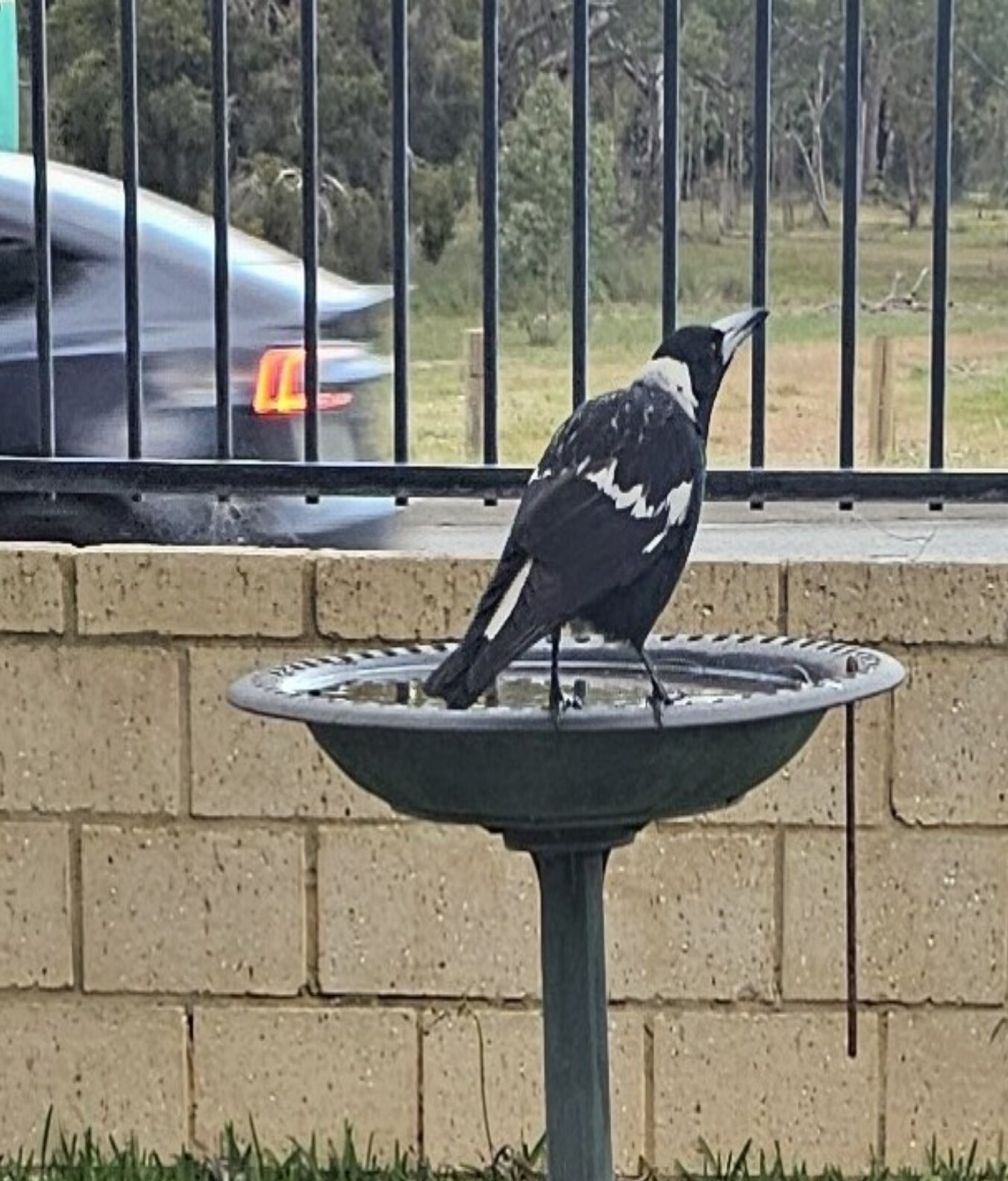
they’re quite used to humans and can be handfed (don’t feed them meat!) - and very relaxed this close (about 10 feet away).
Two different photos from different locations :
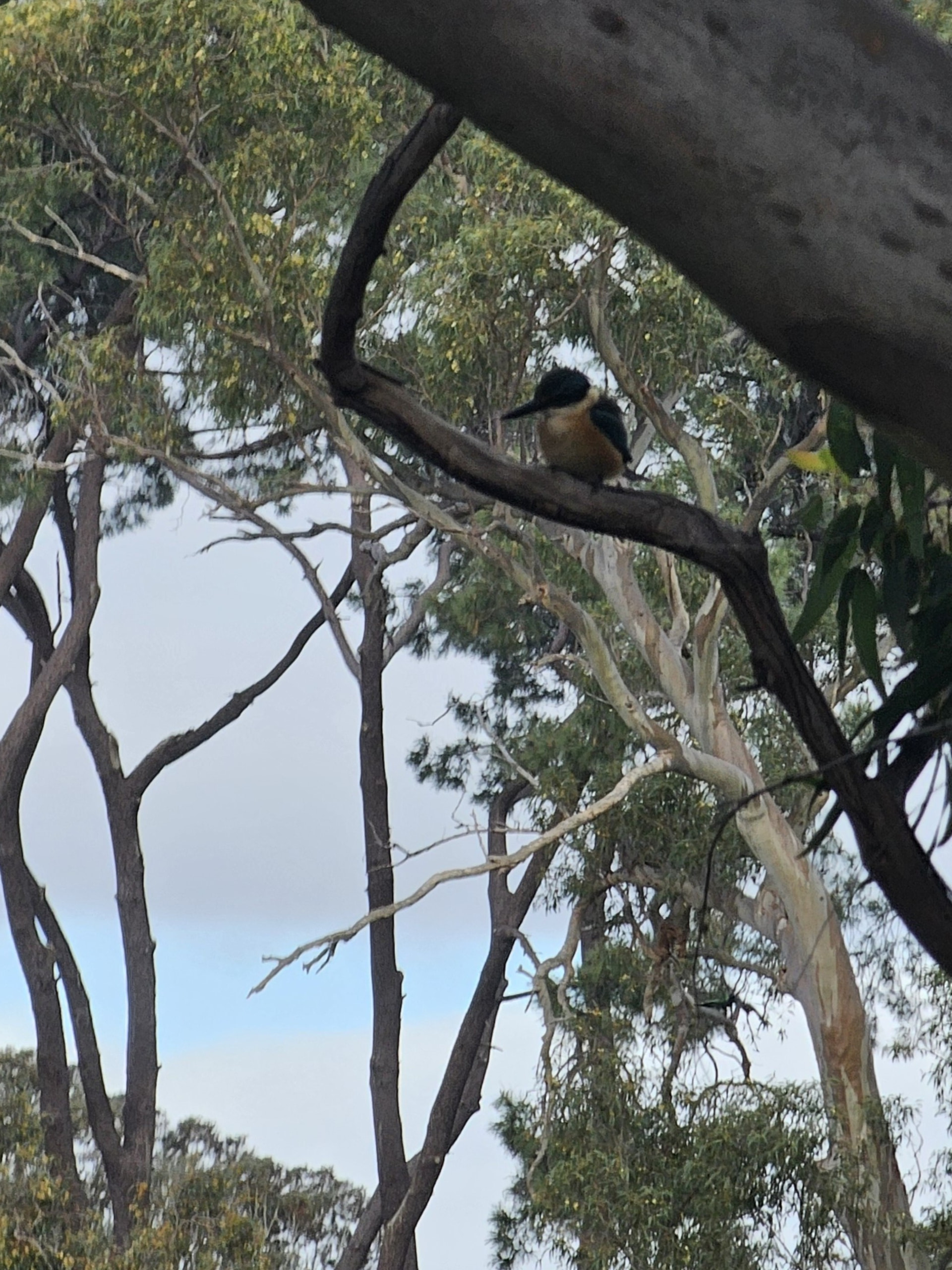
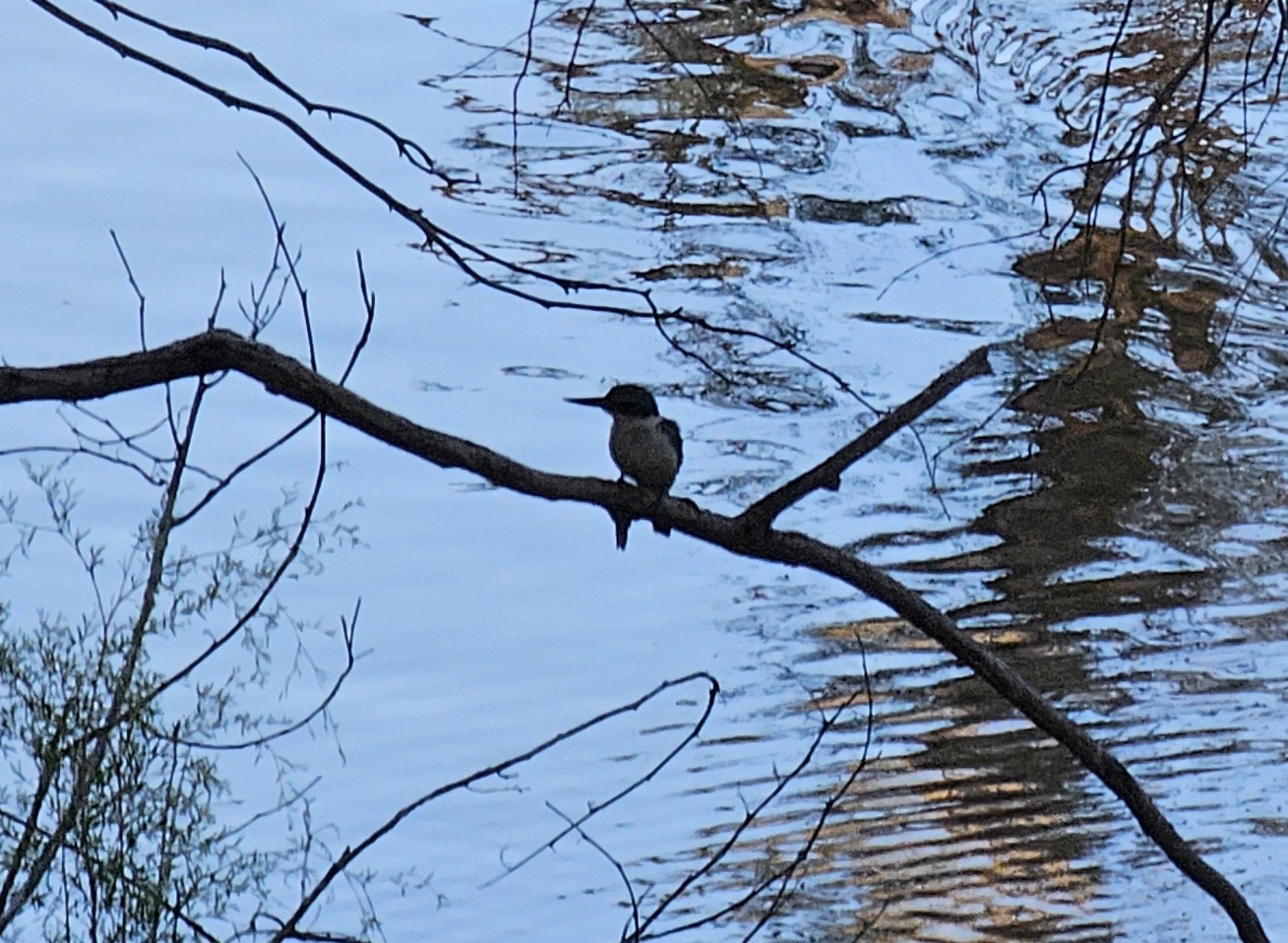
“sacred” kingfisher - these are native to this area… i.e. distant cousins of kookaburras…
Last spring - Australian wood duck :
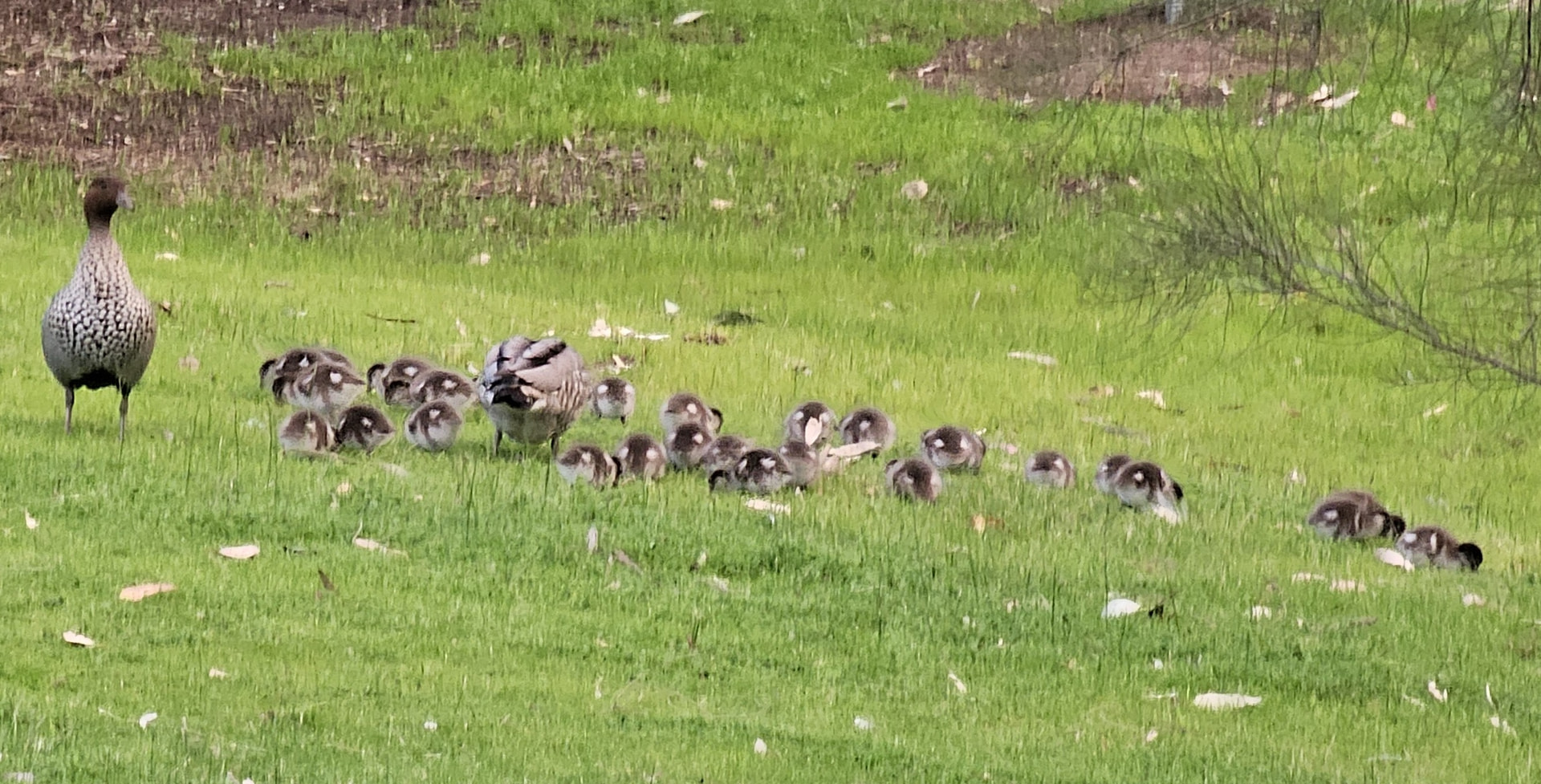
Counted those ducklings - they >had< 24!
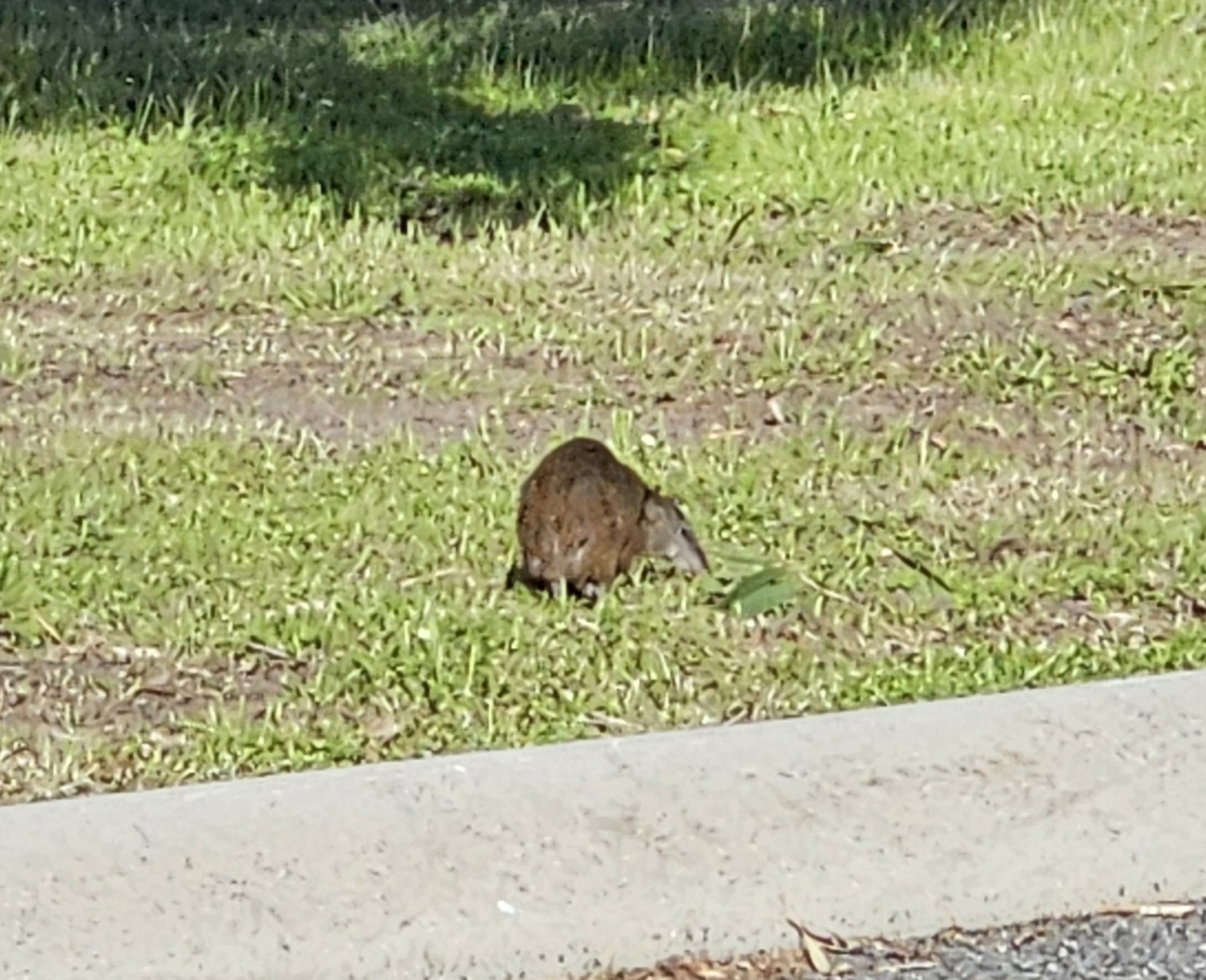
Very odd to see a bandicoot out and about in bright daylight - these are marsupials and are mostly “crepuscular” (i.e. twilight).
And :
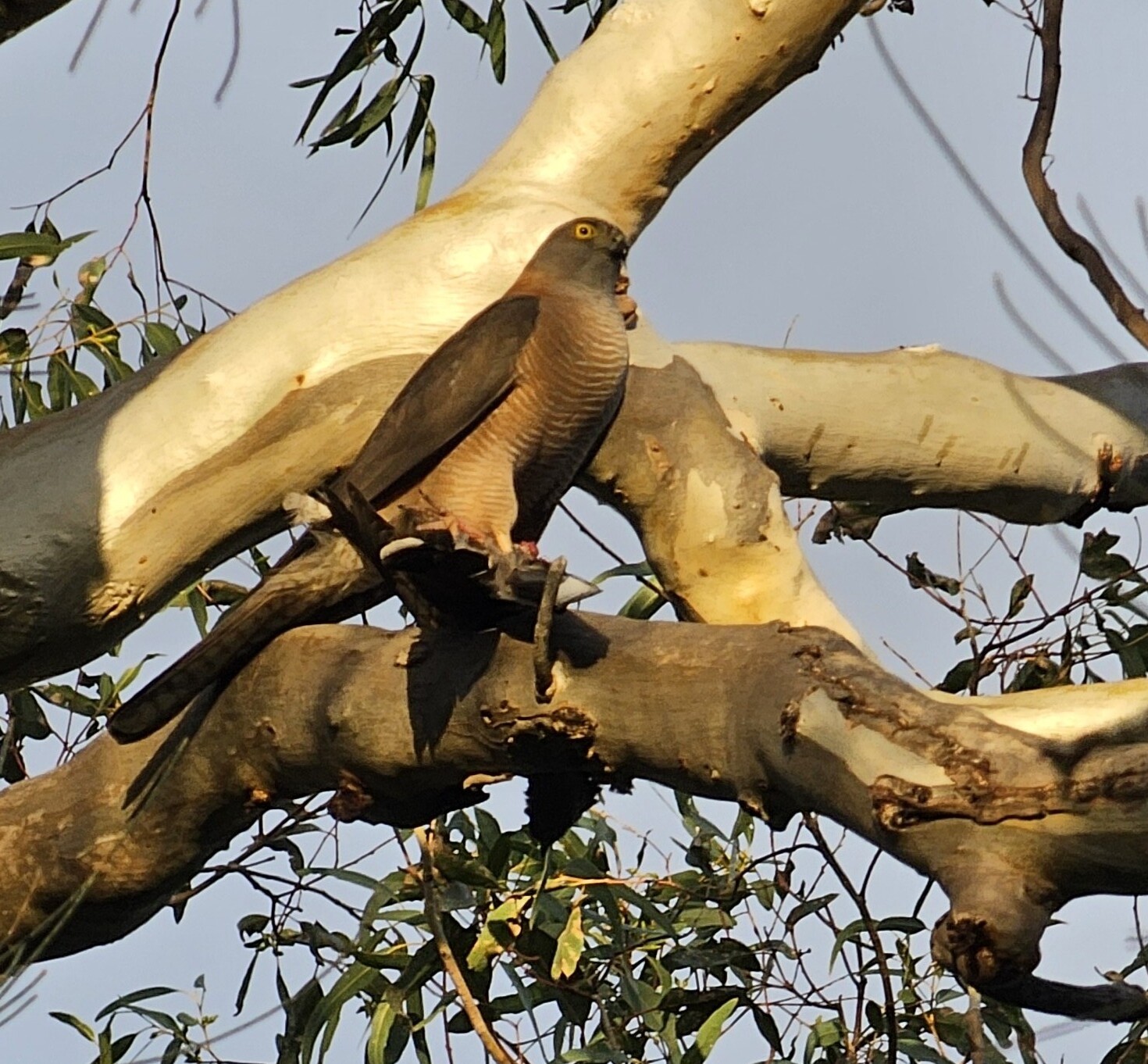
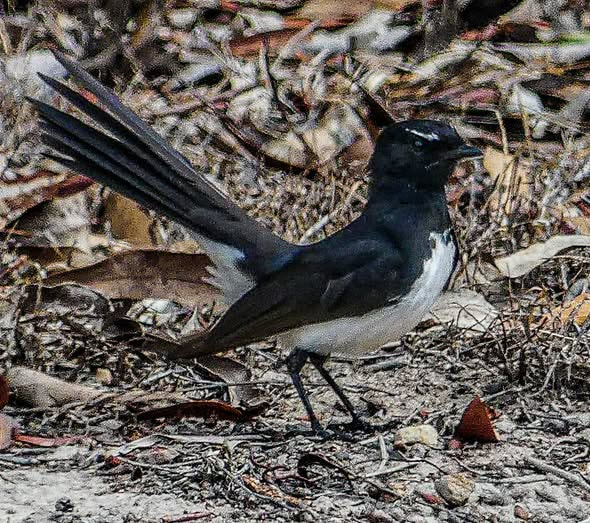
I believe it’s a collared sparrowhawk, it’s about the size of a small pigeon, and I think it’s meal was a willy wagtail (not my photo) :
As for snakes - I took these with my Galaxy S9+ in early 2023 :
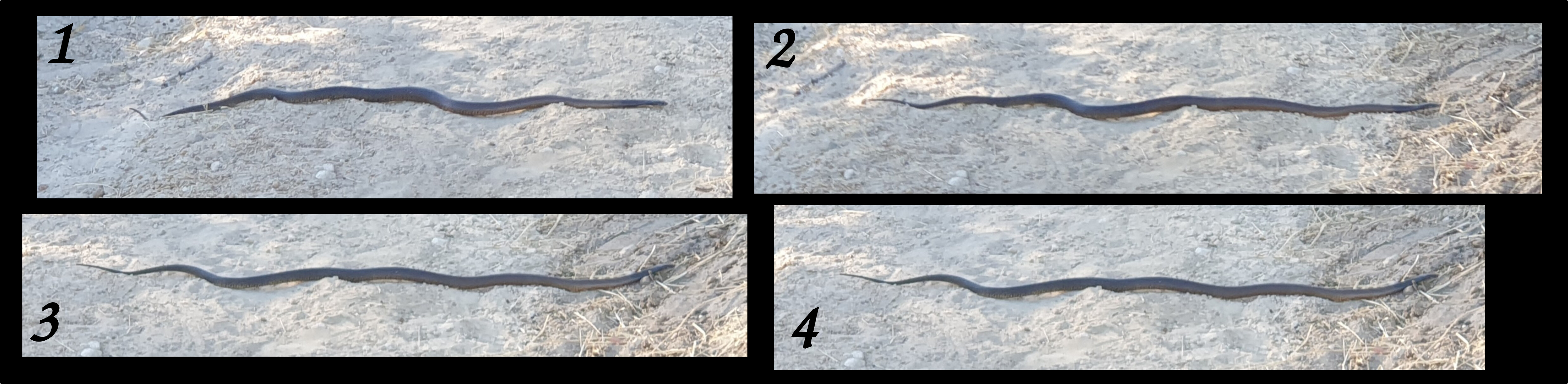
That’s a tiger snake - the camera doesn’t do it justice - about 8 feet long - with mostly black back - but yellow underbelly with black striations (hard to see in the photos)… Yes their venom can be fatal, but like most snakes, they’ll avoid you, these guys mostly inhabit riverine and wetland habitats, their preferred prey is frogs… Just across the road from my place (the bushland you can see in the background of the two photos above with birdbaths).
I’m seriously considering a decent digital camera for wildlife photography (amateur only)… My daughters got me a Canon digicam for Xmas - I thought it was new - it came in the box like a new one - but it’s circa 2010 maybe? Powershot A560 - 7.1 megapixels - reasonably compact with a long zoom lens - but my Galaxy S23 Ultra smartphone takes better photos…
Something like a Canon SX740HS - i.e. I don’t want the bulk of an SLR… something compact but better than a phone camera…
Buggerit - I may just look into some decent lens kits for my S23 Ulta…
3 Likes
Those were sulphur crested white cockatoo … the ones that raid garbage bins.
We have corellas too , little corella and long billed corella … they seem to mix.
Your S23 is doing quite well.
I use an old Olympus C770 … it has a zoom plus I can screw on a telephoto adaptor … but it is old now and only 4 megapixels. The worst part of it is the focus … when trying to focus on a bird in a bush it gets confused and focuses on branches . I would like a newer digital camera with a proper tele zoom lens.
We have tiger snakes … it is swampy coastal country here … the wood ducks
love it, and the ibis.
Your other birds are new to me …WA fauna is different..
1 Like
They don’t occur naturally here in WA - but - I believe somewhere in the Perth metro area, or environs - there’s a flock of descendants of caged bird escapees… But not very large… Possibly even some escapees - cockatoos are very long lived - i.e. up to 70 years or longer… In the late 80’s I went to a bird / wildlife place, Kohunu Wildlife Park - and they had birds born before WW2…
We get 5 species (maybe 6) of cockatoo around Perth :
- Carnaby’s White Tailed Black Cockatoo
- Baudin’s White Tailed Black Cockatoo (I can’t tell the diference)
both are endangered - Pink and grey galahs
- Little Corellas
- Red Tailed black cockatoos…
and maybe isolated pockets of long billed corellas…(I don’t recall seeing any)
By far the most successful are the little corellas - they’re almost in plague proportions - and I believe they are culled as they’re too successful and they’re an agricultural “pest” in the wheatbelt of WA…
1 Like
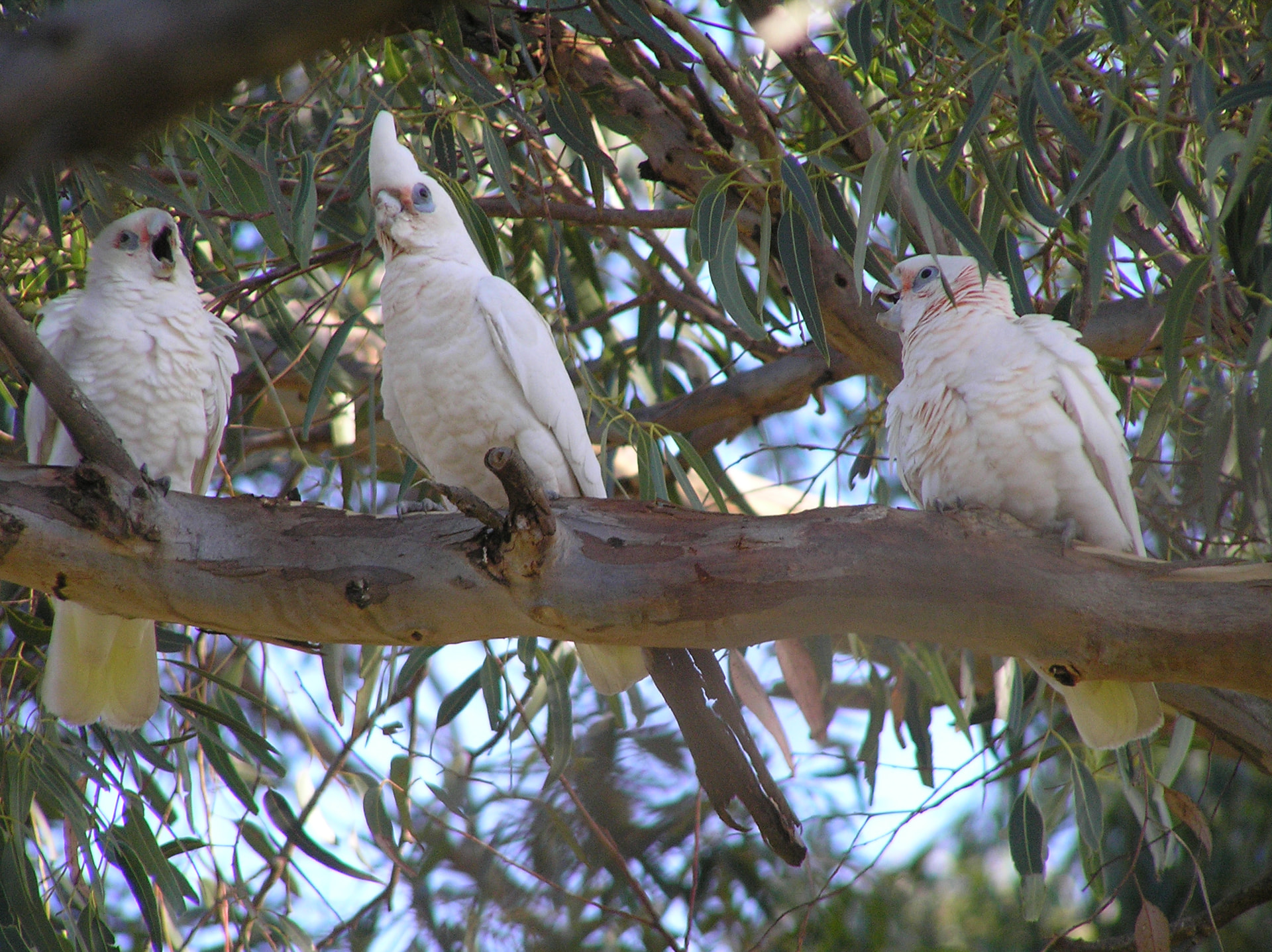
That is a parent with 2 young Little Corellas
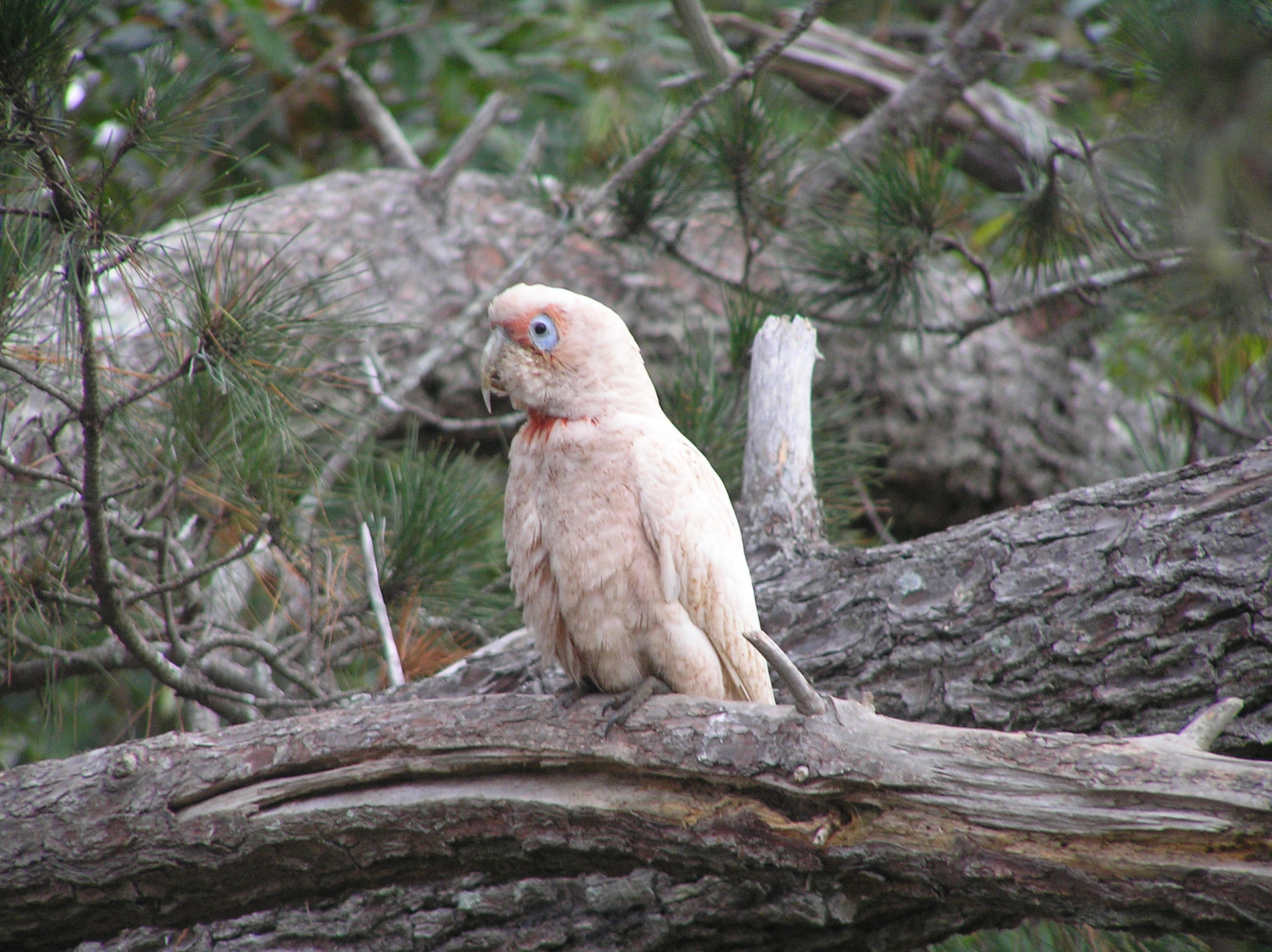
Long Billed Corella
Sulphur crested cockatoo
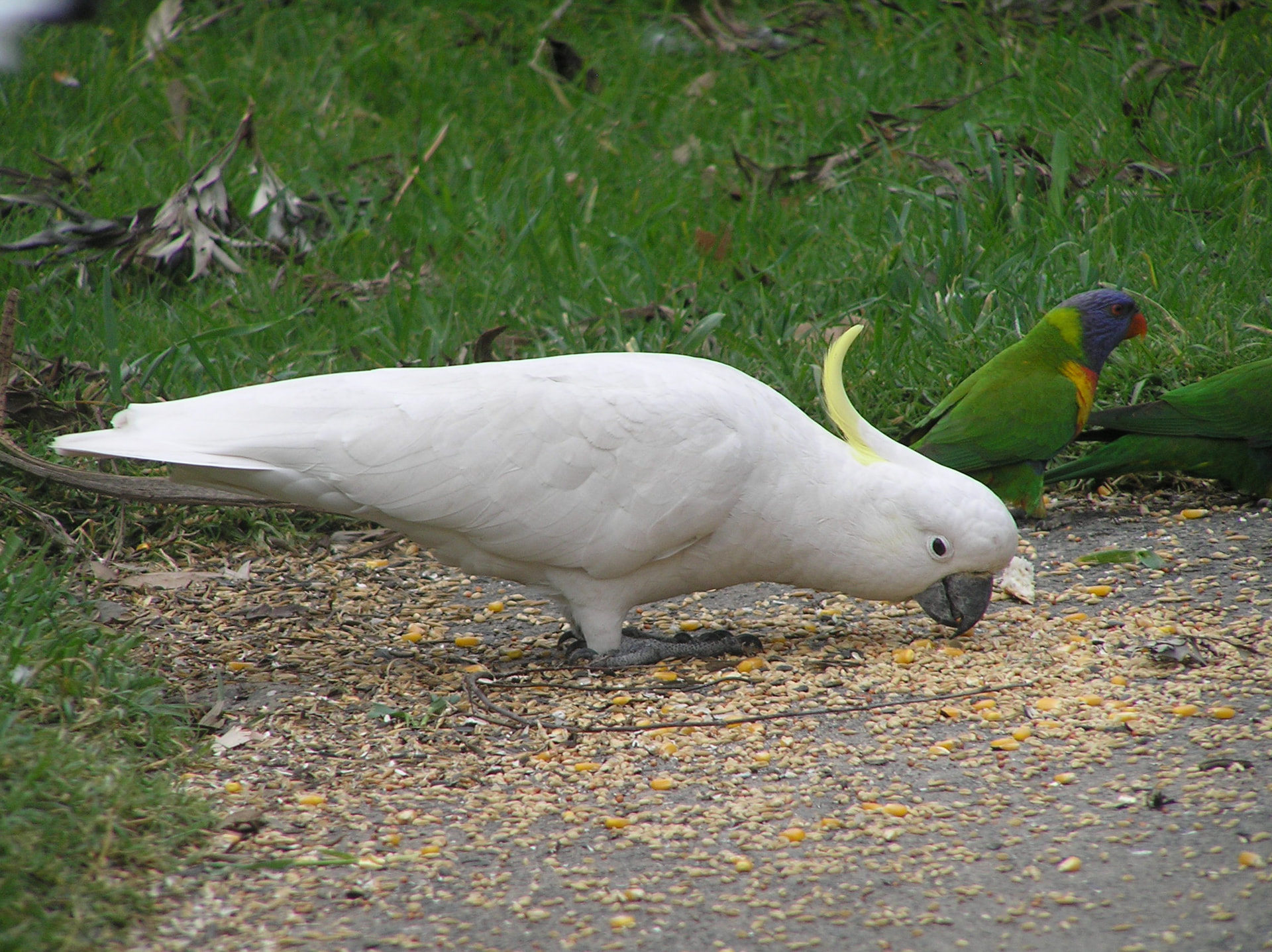
Rainbow lorikeet in background. You can see the yellow crest in that shot.
They are in almost pest proportions here. Eat our citrus fruit.
We never seem to learn with wildlife introductions. Why anyone would bring an east coast species like Kookabure to WA beats me. WA’s native fauna are unique
We have pink galahs. Never heard of Grey … any photos?
3 Likes
They’re the same “thing” - we just tend to call them “galahs” - or “pink and grey galahs”… No idea why the distinction - it’s still a galah… Perhaps to distinguish them from when we call someone a “galah” - e.g. “Stop being a galah!”… A euphemism for calling someone a fool or an idiot 
2 Likes
Oh dear I misread you again. My comprehension is failing.
2 Likes
Not to be confused with the pink cockatoo - aka Major Mitchell cockatoo :
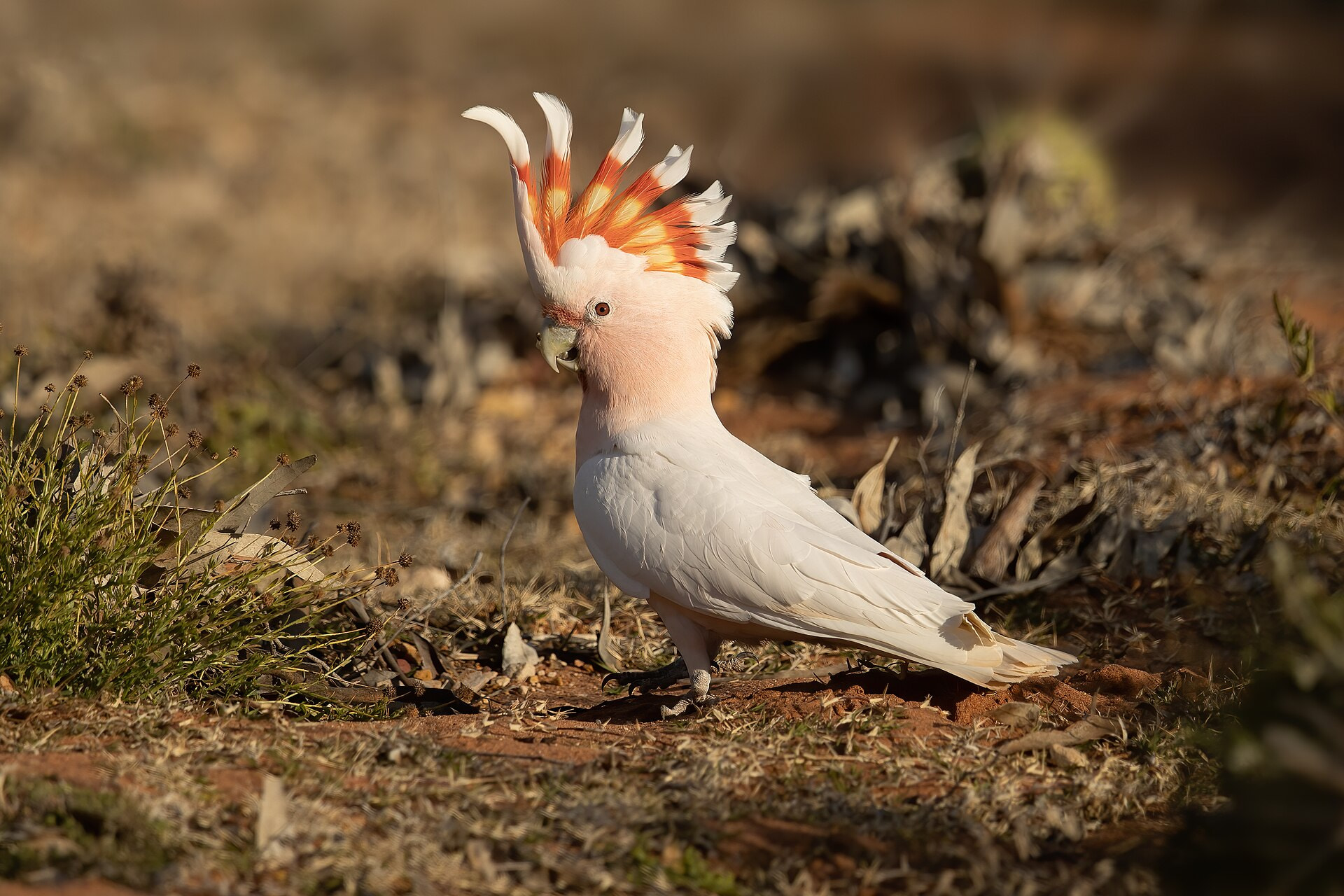
(from wikipedia)
Mostly from the drier interior of Australia - includining WA, but not close to Perth…
Also not to be confused with mostly grey Gangang cockatoo :
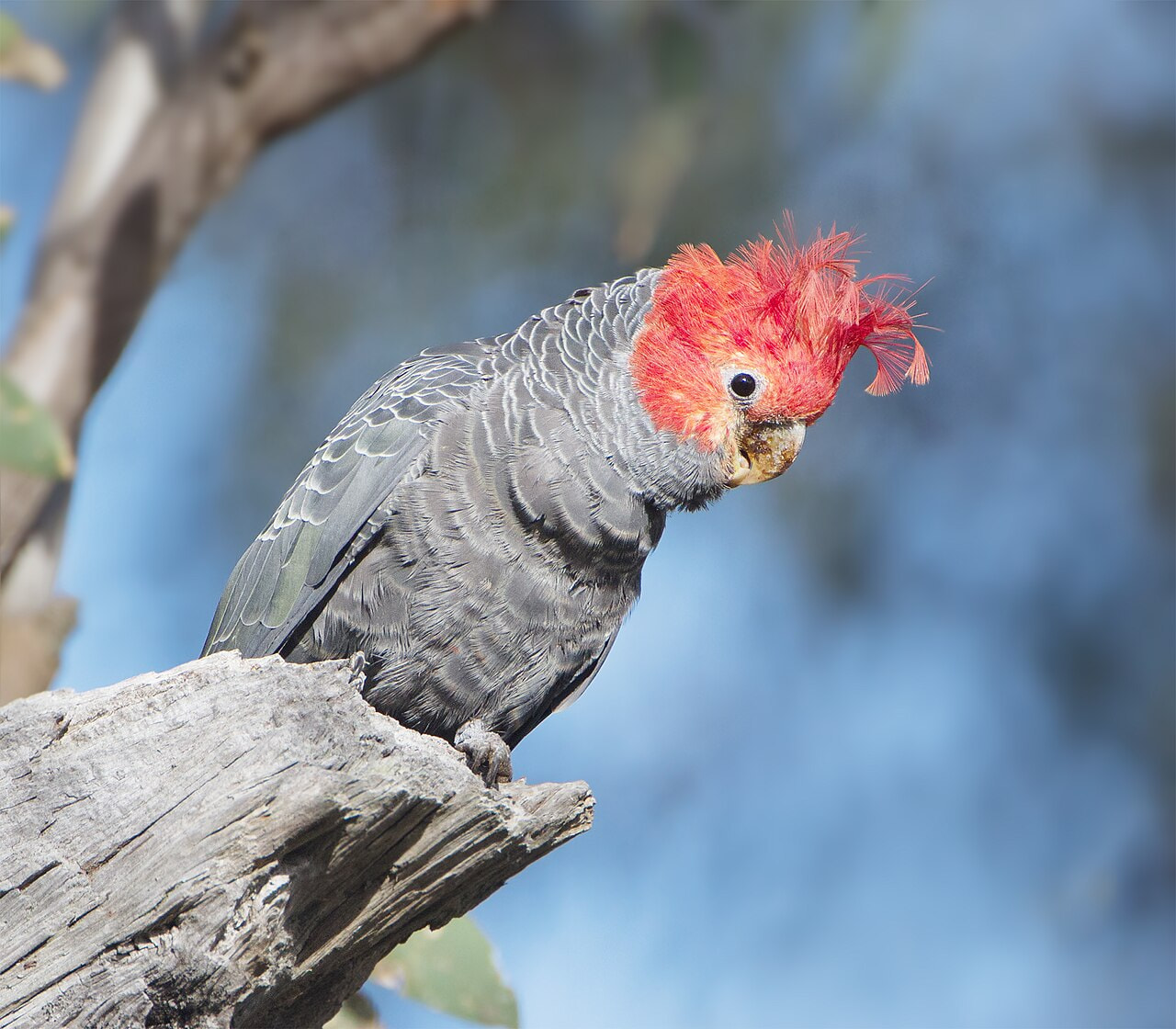
(also wikipedia)
Which has some red plumage around its head… Mostly from SE Australia… i.e. not “here”…
WA is thankfully blessed by the absence of other feral European birds - we don’t have :
sparrows
starlings
blackbirds
Indian mynah (introduced to control insects)
I remember watching a “story” on the ABC maybe in the 1990’s, I think the Catalyst Science series - about a bunch of guys who lived somewhere in Western South Australia, and their job was to shoot starlings (and trapping / netting them too) to stop them potentially reaching West Australia…
We do have “rock pigeons” (i.e. the common or “homing” pigeon) and African doves… and of course rabbits, cats and foxes… and unfortunately it seems cane toads are moving further south from the top end… But they may not get this far south…
2 Likes
We have English blackbirds here.
Tbey are quite reclusive and I think harmless.
We have a lot to learn about population control and ecological balances.
Farming tends to produce uniformity of environment, and new niches, so that one well adapted species will thrive and cause a plague.
Modern forestry is similar… all monocultures.
Wow, I did not know that was an animal  I remember my kids playing video games “Crash Bandicoot” series.
Love the pics!
Sheila
2 Likes
Thanks for all the great photos.
Back in 2013, I was staying at a resort in South Carolina that had a pond in the back. In the pond lived an American alligator.
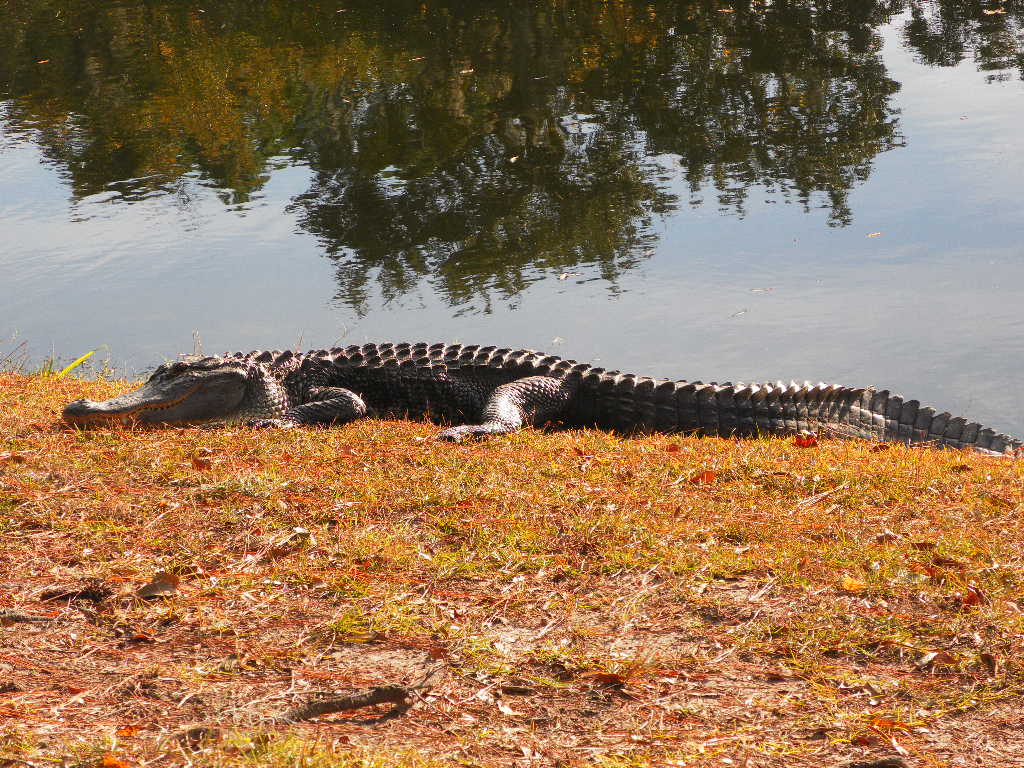
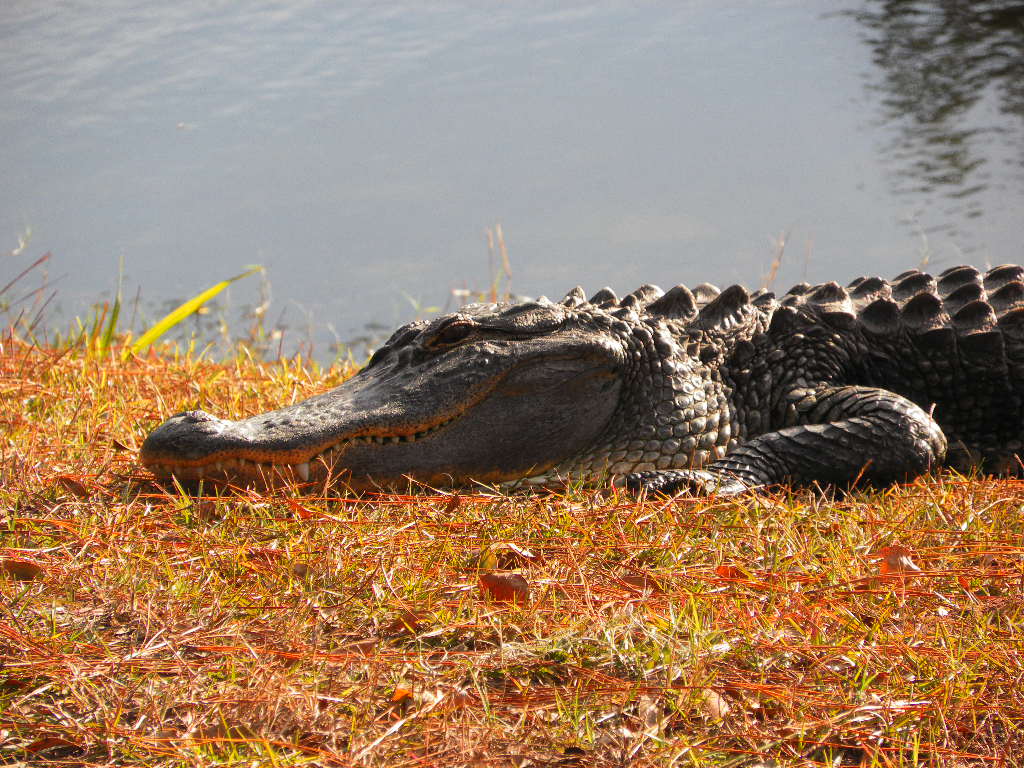
6 Likes
I engage more in landscape photography such as mountains or so. Don’t know if that’s relevant, thought 'cause they are nature and it’s called nature photography…
2 Likes
You could always start a new topic and submit under that i am sure others would love to see some of your images
There are some mountains pic over at topic ‘The Mountains at Mourne’. You might want to add your pic there.
2 Likes