Mattermost vs Rocket.Chat vs MirrorFly: Which Is Better for Private Team Communication?

Hi everyone,

I’m working as a mobile app developer, and our organization is planning to start a project focused on business messaging software. We’re currently exploring whether to build our own messaging application or purchase an existing solution that meets our requirements.

I am looking different instant messaging software for private team communication. I am interested in options that give businesses more control over their conversations, data, and overall communication setup.

I found three option form the users review such as Mattermost, Rocket.Chat, and MirrorFly. Each software has different approaches and the benefits like deoployement, customization and Integration.

I’m interested in understanding how they compare in real-world business environments.

Here are a few things I’d like to discuss:

1. Data Privacy and Security

Which platform provides better control over business conversations, user data, and communication infrastructure?

2. Self-Hosting and Deployment

How straightforward is it to deploy and maintain these platforms on private servers or cloud infrastructure?

3. Customization and Branding

If a company wants its own branded messaging application with custom features, user management, and security configurations, which approach would be more suitable?

4. Integration Capabilities

How well do these platforms integrate with existing business applications, CRM systems, and internal workflows?

5. Long-Term Maintenance

What should businesses consider regarding infrastructure costs, scalability, updates, and ongoing maintenance?

I want to know the developers who have experienced with these software for more clarity on all three it would help me to finalize.

Would you choose an established self-hosted platform like Mattermost or Rocket.Chat, or consider a customizable messaging solution like MirrorFly?

What has your experience been?
2 Likes

Hi

Welcome to our site
Please can you confirm you plan to develop for the linux platform and what amount of AI is envisaged in the development

Is it the software going to be FOSS (Free Open Source Software)? Whether it’s Android, iOS, or Linux, I’m not particularly interested in.

1 Like

Hi, thanks for the welcome!

Our plan is to develop or adopt a business messaging solution that can be used by organizations for private team communication.

Linux-based server deployment is one of the options we’re considering, as we would prefer having control over the hosting environment and business data. However, we’re not specifically planning to develop a Linux desktop application.

Regarding AI, it’s not a major requirement for the initial project. Our current focus is on core messaging features such as one-to-one and group chats, file sharing, voice and video calling, user management, and secure communication.

We may consider AI features like conversation summaries and automated responses in the future, but first we want to finalize the right messaging platform and architecture.

2 Likes

Thanks fpr getting back to me with more details

When i ased about AI, i was thinking more about the writing of the program if that will be done using AI or by people.

Also interested in if its going to be open source qs my fellow member asked

2 Likes

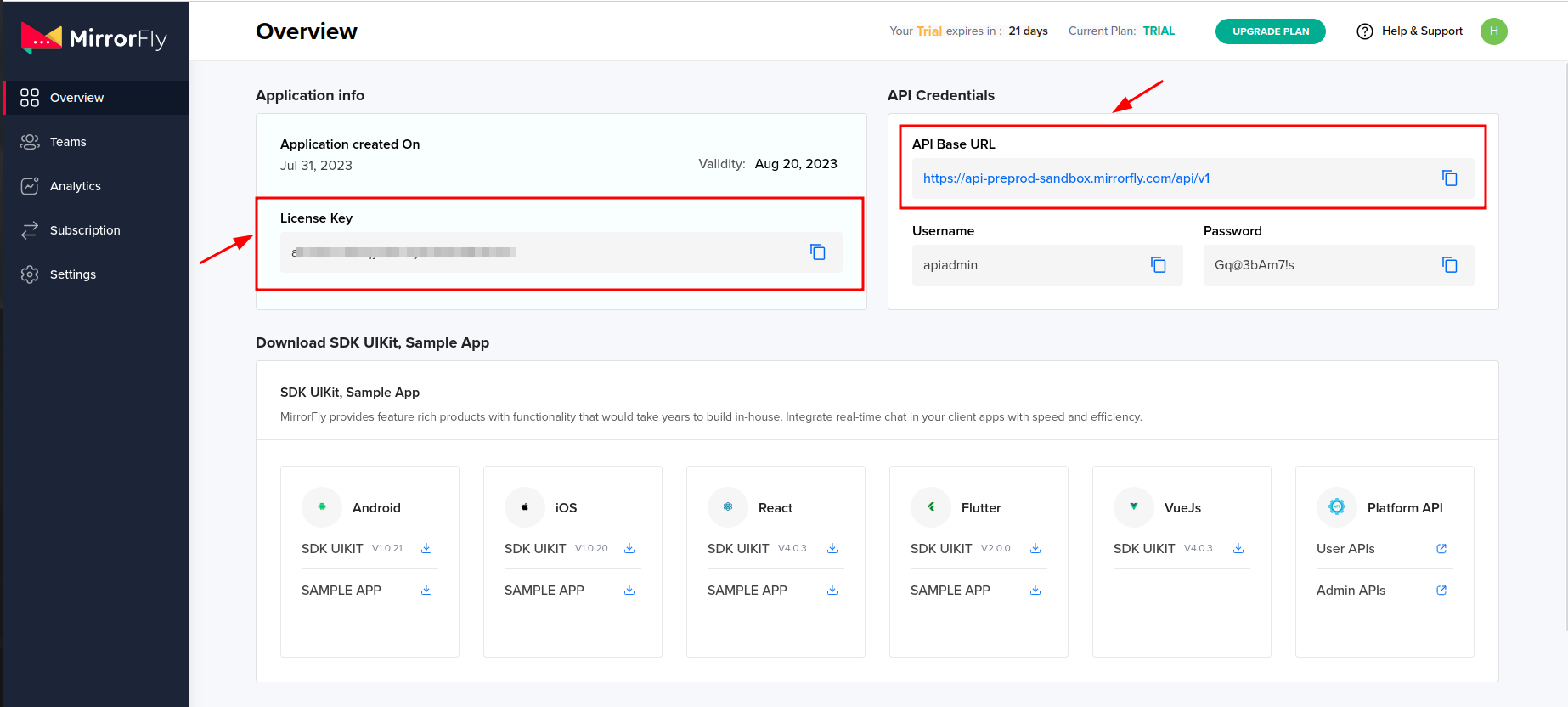
Looks like you need a licence key to use it:

With a 15-day trial period.

2 Likes

Thanks for clarifying!

Regarding AI, we may use AI-assisted development tools to speed up certain parts of the development process, but the actual architecture, coding, testing, and implementation will be handled and reviewed by developers. We don’t plan to rely entirely on AI to build the application.

As for open source, we haven’t finalized that decision yet. We’re currently comparing existing solutions and evaluating whether to build our own messaging software or use an existing customizable solution.

Our main priority is to have control over the source code, customization, deployment, and business data. An open-source solution would certainly be worth considering, but we’re also open to commercial solutions if they meet these requirements.

I’d be interested to hear your thoughts on the advantages of open-source messaging platforms compared with commercially licensed solutions.

1 Like

Not my speciality but I am sure someone will pick it up if of interest
Good luck with the project

You really do need to think carefully about licenses, if you would ever want to market the software you end up using. If it is only ever going go be for your own business use, any open source licence will do.
I cant see you getting control of source code from proprietary software. That would be unusual.

I dont have messaging experience, but someone here will help

1 Like

When you make your software FLOSS, you get several advantages:

  • A community which will cheerfully help you with development of features you have not thought of.
  • Free bug-fixers
  • Security problems can quickly be found and fixed.
  • A community which could serve as a free marketing team.

For the community:

  • They don’t need to wait for you to get a new feature/bugfix.
  • You actually have an incentive to maintain the product.

NextCloud and Kitware (the maintainers of cmake) are succesful companies which basically give their software away, so it’s not impossible.

To make a living:

  • You could provide subscriptions for preconfigured and/or managed servers.
  • You could sell workshops.
  • You could allow people to sponsor features with money.
  • You could sell documentation.
  • You could sell courses/workshops.
  • You could sell a service which configures a server which the client owns.
  • Subscription to a priority position regarding getting features implemented and non-security bugs fixed first.

Have I missed any?

The app and server would still be FLOSS, but those wanting special treatment would have to pay.

3 Likes